
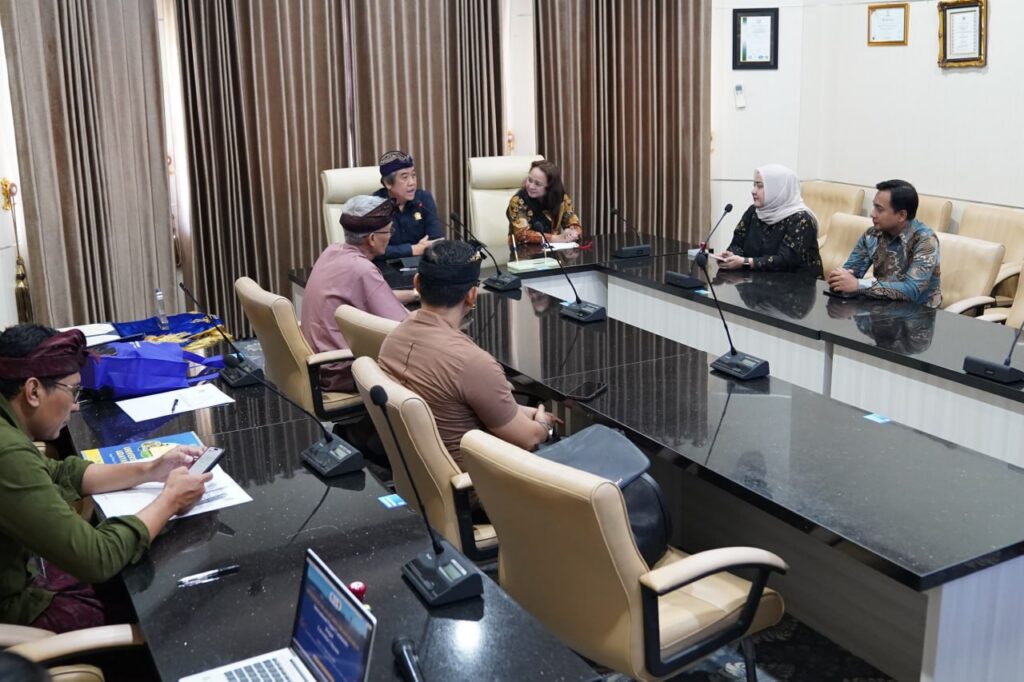
JIMBARAN – Udayana University formalized a strategic partnership with the International Pepper Community (IPC) through the signing of a Memorandum of Understanding (MoU) at the Rectorate Building of the Jimbaran Campus, Badung, Bali, on Friday (September 25, 2026). This collaboration was initiated to combine the university’s academic capabilities with the global pepper industry network in addressing various challenges of modern agriculture. The signing of this MoU has a direct impact on strengthening the agricultural sector and improving community welfare—specifically by fostering sustainable pepper research, addressing climate change, enhancing product quality, and tangibly empowering the economies of farmers and pepper-related MSMEs in Bali.
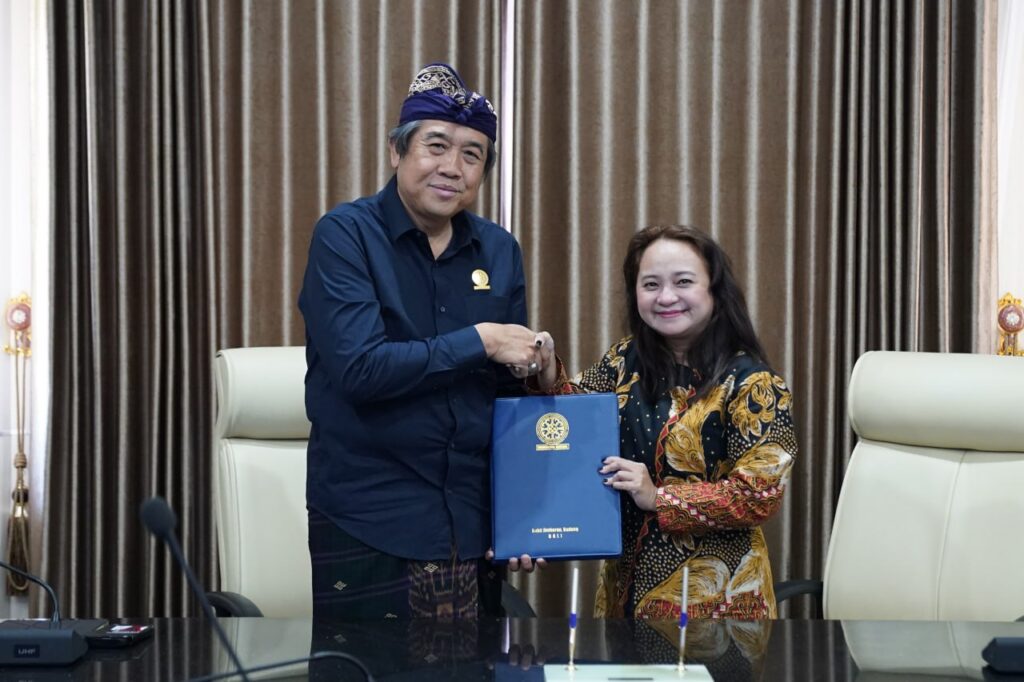
The ceremony was attended by the Vice Rector for Planning, Cooperation, and Information, Prof. Dr. Eng. Ir. Made Sucipta, S.T., M.T., IPM—representing the Rector of Udayana University—along with the university’s leadership team. Also present in person was the Executive Director of the IPC, Marina Novira Anggraini, accompanied by her team.
In his remarks, Udayana University’s Vice Rector for Planning, Cooperation, and Information, Prof. Made Sucipta, expressed appreciation for the establishment of this partnership and affirmed the university’s commitment to following up on the MoU to ensure it does not remain merely ceremonial. The Vice Rector noted that Udayana University’s designation as a State University with Legal Entity status (PTN-BH) as of August 11, 2026, provides greater flexibility for the university to commercialize research findings and facilitate the downstream processing of agricultural products. “We welcome this partnership. Unud has conducted extensive research and community service activities spanning the entire value chain; however, the primary challenge lies in product commercialization so that research does not simply remain confined to the laboratory. Through our status as a State University with Legal Entity (PTN-BH) and this collaboration with IPC, we hope to produce high-quality, export-competitive pepper products, deliver tangible benefits to the community, and strengthen the implementation of the Three Pillars of Higher Education,” stated Prof. Sucipta.
Meanwhile, IPC Executive Director Marina Novira Anggraini emphasized the importance of synergy between academia and the global industry. “An MoU only holds true meaning when it creates opportunities for ideas to be tested, knowledge to be exchanged, and collaboration to yield results that directly benefit the community,” Marina Novira Anggraini remarked.
As a follow-up to the signing, IPC and Udayana University immediately moved toward concrete action, including providing opportunities for Unud academics to contribute to an international journal’s “Call for Papers” organized by IPC.
Over the next five years, the partnership is also expected to encompass joint learning and field research activities, expert exchanges, training, and scientific publications, as well as direct mentoring for pepper farmers and MSMEs in Bali.