
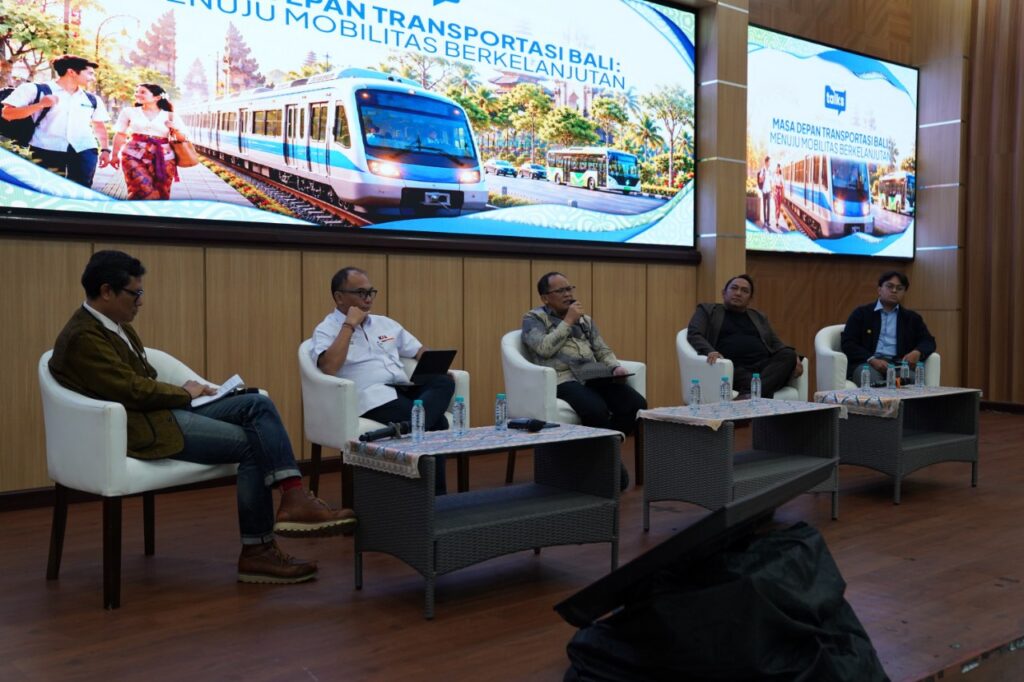
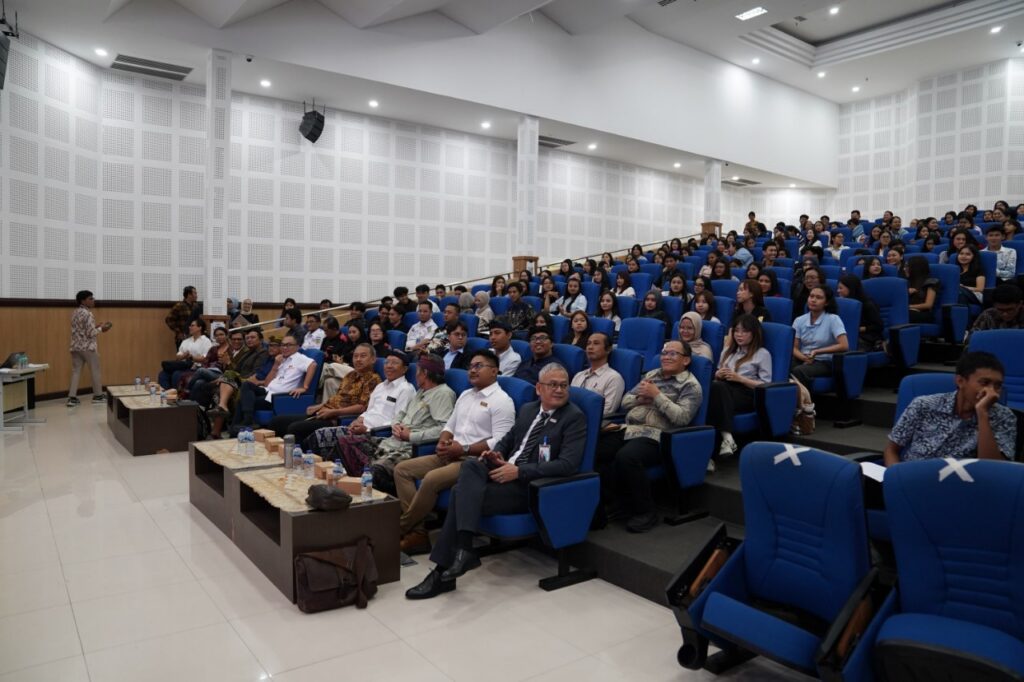
The issue of severe traffic congestion and mobility challenges in Bali took center stage during a Kompas.com Talks discussion held on Thursday (November 5, 2026) at the Lecture Building Hall on the Bukit Jimbaran campus. The event brought together a diverse group of participants, including ministry officials, academics, transportation practitioners, and students from Udayana University.
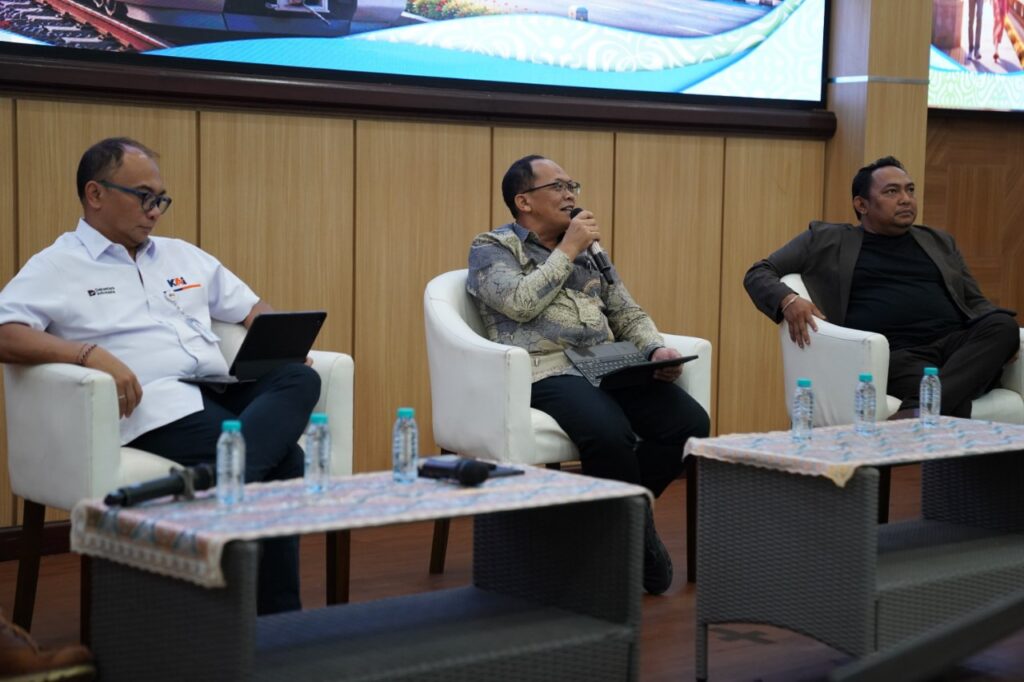
Moderated by Wisnu Nugroho, the discussion featured several speakers: Dail Umail Asri, Director of Connectivity and Logistics Infrastructure; Komang Adi Sastra, an academic from Udayana University; Muhammad Haikal Riza, Project Lead for the Bali Transport Decarbonization initiative at WRI; and I Gede Dharmayusa, representing the public transport operator PT Kereta Api Indonesia (Persero).
The session presented research findings indicating a sharp surge in the number of motor vehicles in Bali—rising from 11.2 million in 2024 to 16.3 million in 2025. Data from the Bali Provincial Central Statistics Agency (BPS) recorded 5.5 million registered motor vehicles in Bali in 2025, approximately 4.76 million of which are motorcycles. This figure significantly exceeds Bali’s population of roughly 4.2 million, pointing to an exceptionally high rate of private vehicle ownership.
Consequently, motorcycles account for about 86 percent of all vehicles in Bali, leaving the public heavily reliant on private transport for mobility. This high volume of vehicles has triggered severe congestion, which not only results in economic losses estimated at hundreds of trillions of rupiah annually but also negatively impacts public health, the environment, and the overall quality of life for both residents and tourists. The four speakers at this discussion agreed that Bali requires a comprehensive overhaul of its transportation system through the provision of integrated, reliable, and affordable mass public transit. However, the transition toward public transportation in Bali faces significant challenges—notably, the need to shift the mindset and local cultural habits of a population accustomed to relying on private vehicles.
Nevertheless, drawing lessons from the successful development of mass transit systems like the MRT and LRT in Jakarta—which also initially encountered strong public resistance—it is believed that a similar approach could be applied in Bali. Future transportation planning on the island must involve open dialogue among the government, transport operators, academics, business stakeholders, and the public, ensuring that the resulting solutions remain aligned with local wisdom and culture.
The discussion also featured academics and practitioners as respondents, including Prof. Alit Suthayana, a professor at Udayana University specializing in transportation and the environment, and Samsi Gunarta, a Special Staff member to the Governor of Bali. Other participants included Goentoro, representing PT Angkasa Pura Indonesia (I Gusti Ngurah Rai Airport); I Gusti Putu Anindya Putra from the Bali Customary Village Council (MDA); representatives from the taxi community; and Dedy Sulistiyanto, representing the Movenpick Resort and Spa Jimbaran.