
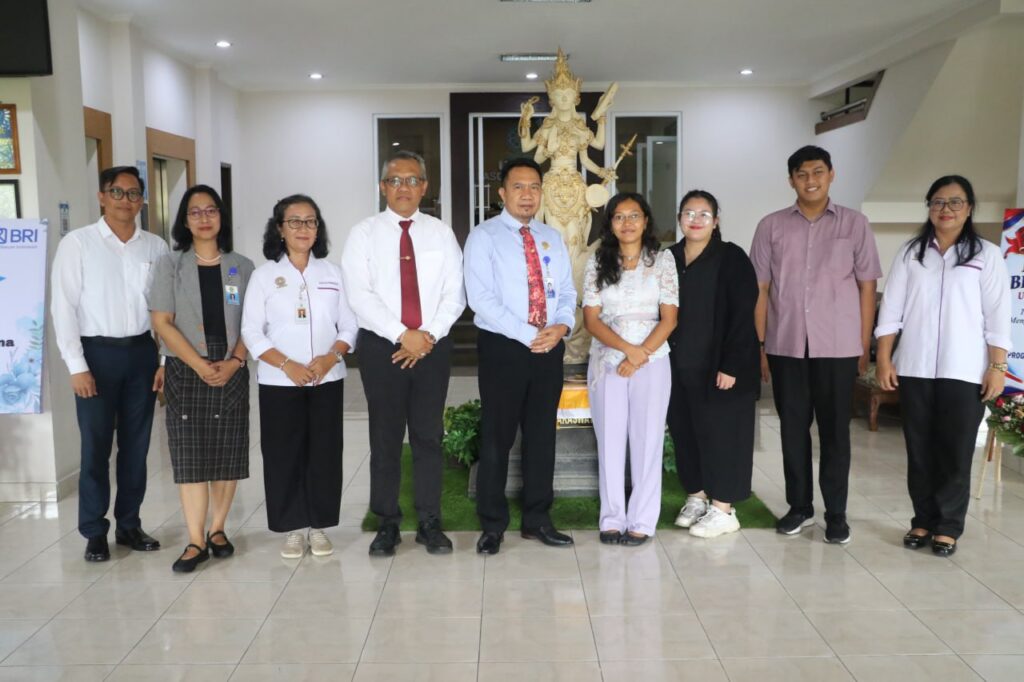
Udayana University (Unud) has signed a Memorandum of Understanding (MoU) with the Indonesian Animal Legal Protection Foundation (Yayasan Perlindungan Hukum Satwa Indonesia) as a strategic step to strengthen the implementation of the Tri Dharma of Higher Education—specifically in the areas of education, research, and community service. The signing took place in the Rector’s Meeting Room at the Udayana University Postgraduate Building, located on Jalan PB. Sudirman, Denpasar, Bali, on Monday, October 26, 2026.
Attendees included the Rector of Udayana University, the Deans and Vice Deans of the Faculty of Animal Science and the Faculty of Veterinary Medicine, the Director of Institutional Partnerships, and the Chairperson of the Indonesian Animal Legal Protection Foundation along with their team.
In his remarks, the Rector of Udayana University, Prof. Ir. I Ketut Sudarsana, ST, Ph.D., expressed his profound gratitude for the trust placed in Udayana University—particularly its Faculty of Veterinary Medicine and Faculty of Animal Science—by the Indonesian Animal Legal Protection Foundation. The Rector expressed his strong hope that this collaboration would yield significant benefits for both parties.
This partnership is highly relevant given the context of Bali, which is deeply rooted in the Tri Hita Karana philosophy—a concept emphasizing harmony between humans and God, among humans themselves, and between humans and the natural environment. Nature and animals are inseparable components of life in Bali; the Balinese people maintain traditions and rituals that directly involve animals. Consequently, ensuring fair protection and ethical treatment—not only for fellow human beings but also for animals—has become a crucial priority.
Through this initiative, it is expected that collaborative research can be further developed to support animal protection efforts in Indonesia. The scope is very broad, ranging from the care of pets—for which our Faculty of Veterinary Medicine now has clinical facilities, with plans to develop a larger veterinary hospital—to the protection of wildlife in their natural habitats.
Through this collaboration, we aim to bridge the academic and theoretical aspects provided by educational institutions with the expertise and practical, real-world experience of the Foundation’s field practitioners. By creating synergy between university academics and professionals in the field, we can develop programs that have a tangible impact on animal welfare.
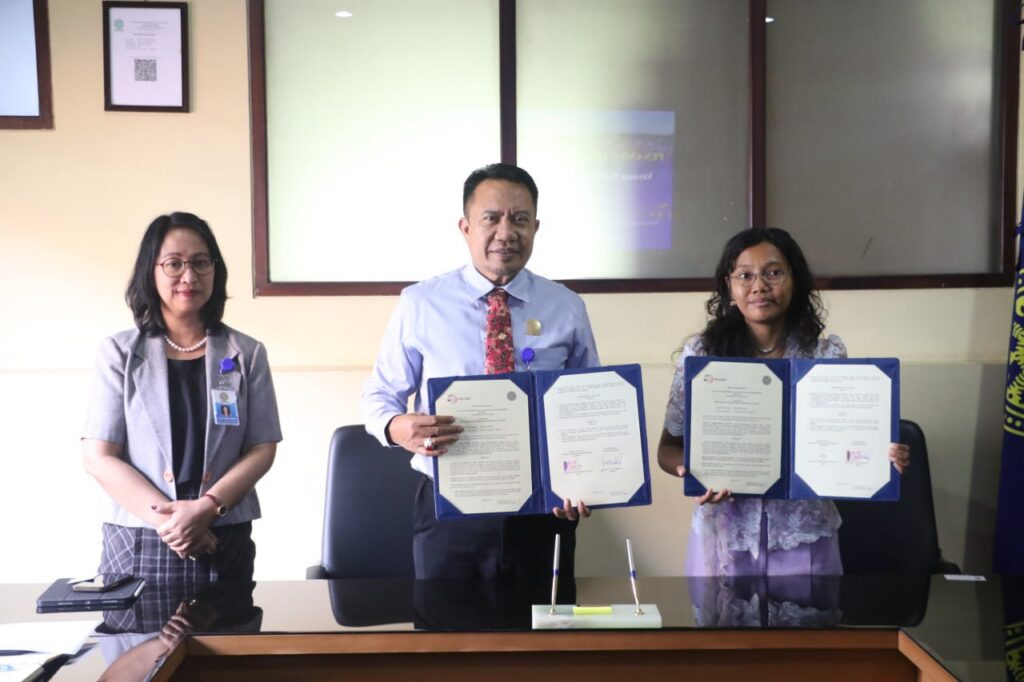
We strongly hope that this MoU will not merely remain an administrative document that sits idle on paper. It must be promptly implemented through more detailed and technical Cooperation Agreements (PKS) and be subject to periodic evaluation. “Hopefully, this partnership will bring blessings, progress, and concrete steps toward animal protection and the preservation of nature in Indonesia,” said the Rector.
Meanwhile, Fiolita Berandhini Saichu, S.H., M.A., Chair of the Indonesian Animal Legal Protection Foundation (Yayasan Perlindungan Hukum Satwa Indonesia), expressed her deep appreciation and gratitude for the establishment of this remarkable partnership. “Over the past three years of collaboration, we have been very proud to witness the various innovations and positive programs that we have successfully realized together.”
“We also highly value our shared commitment to enhancing student capacity. Through the bootcamps that have been organized, the reach of our programs has expanded significantly and has become multidisciplinary in nature.”
“Until now, the issue of animal welfare has often been narrowly associated only with the academic realms of the Faculty of Veterinary Medicine or the Faculty of Animal Science. In reality, this issue has broad implications across various other fields of study—including the Faculty of Law—which is essential for strengthening the regulatory and legal framework for animal protection in Indonesia.” Furthermore, we have greatly benefited from the latest innovations introduced by FKH—such as the creation of the ‘Avatara’ program—which have significantly streamlined operational tasks in the field and expanded public awareness.”
Through this initiative, we hope to expand the scope of our collaboration to other faculties within the university. We also plan to continue our flagship programs next year, including a ‘Training of Trainers’ program for students.
Before launching next year’s programs, we will certainly take the time to conduct a joint evaluation to review this year’s achievements and the technical aspects of the program’s implementation.
We extend our deepest gratitude to the university for its full support and the excellent synergy that has been established. It is our sincere hope that this capacity-building effort will not only have a positive impact on the students but also make a tangible contribution to the wider community.