
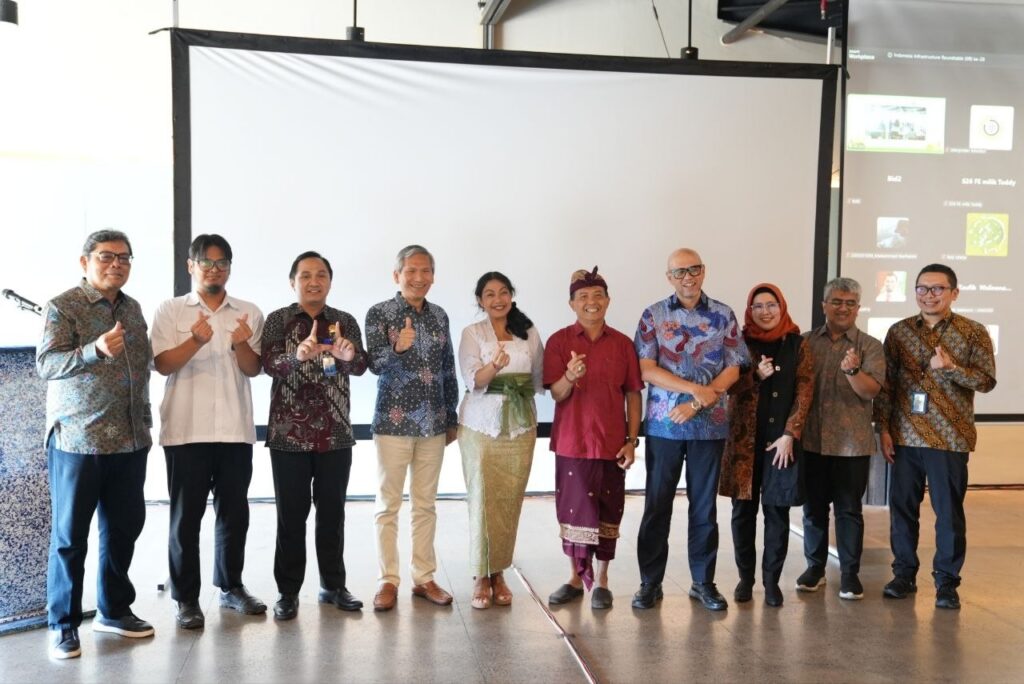
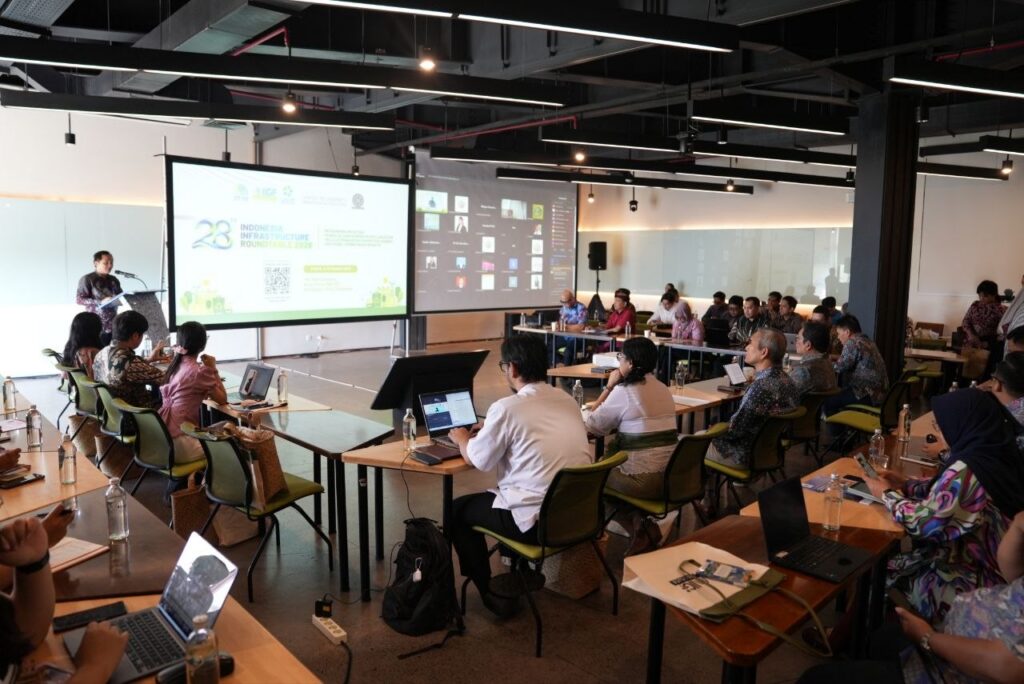
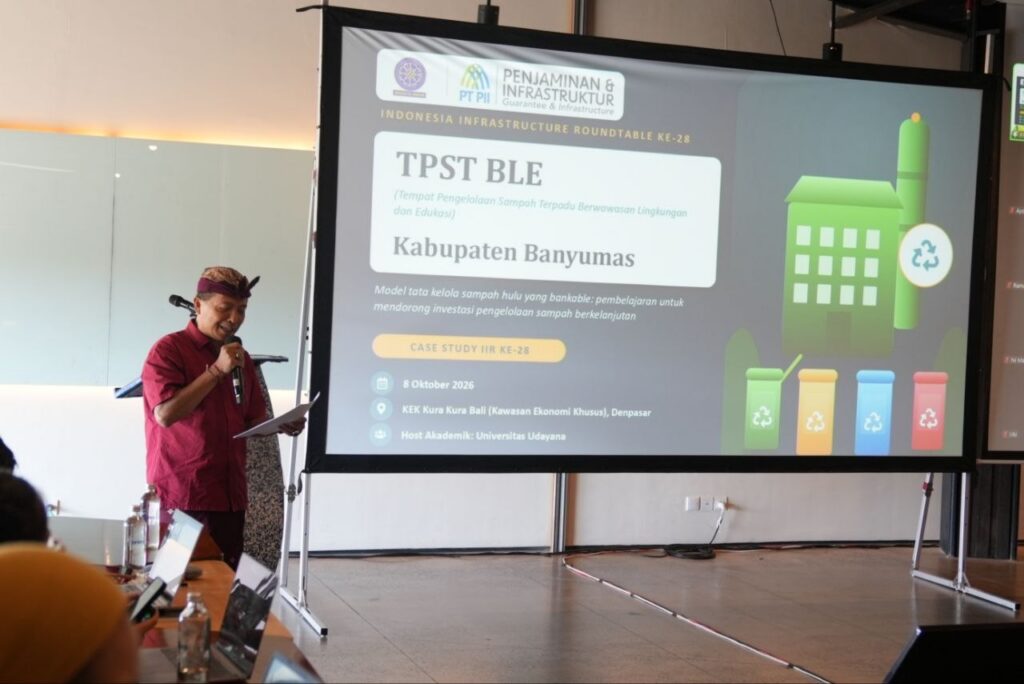
Denpasar, 8 October 2026 – Udayana University (Unud) collaborated with PT Penjaminan Infrastruktur Indonesia (Persero) through the IIGF Institute and United in Diversity (UID) in holding the 28th Indonesia Infrastructure Roundtable (IIR) with the theme “Encouraging Investment in Sustainable Waste Management through Strengthening Regional Capacity and Innovative Financing Models”. The activity took place in the Malajah Room, UID Bali Campus, Special Economic Zone (KEK) Kura Kura Bali, Serangan, Denpasar.
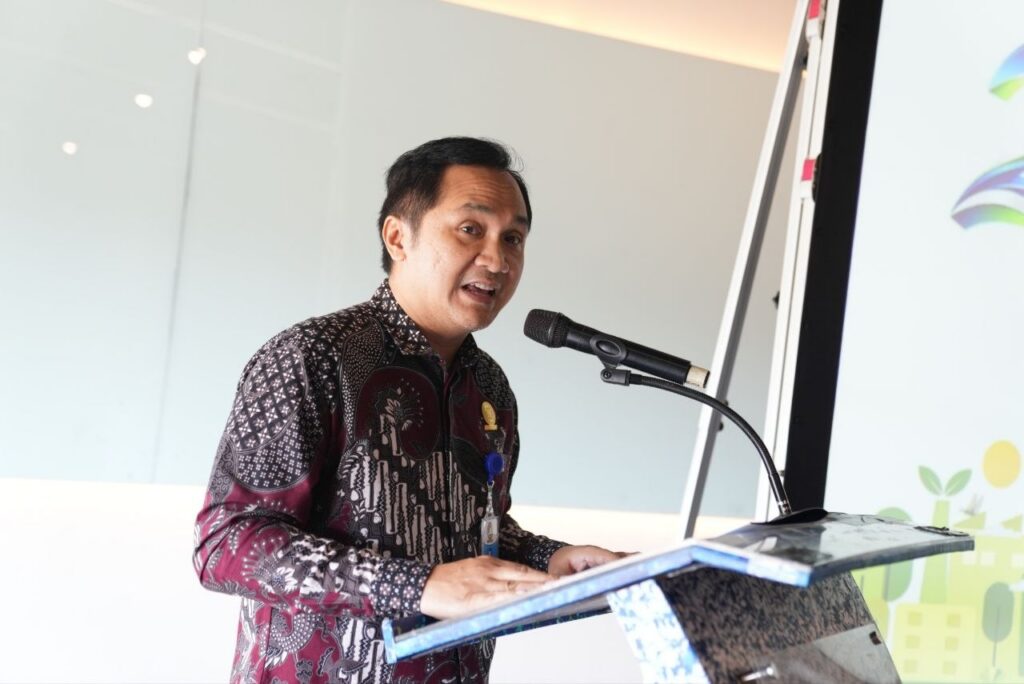
Chancellor of Udayana University Prof. Ir. I Ketut Sudarsana, S.T., Ph.D. represented by the Deputy Chancellor for Resources, Prof. Agoes Ganesha Rahyuda, S.E., M.T., Ph.D. In the Chancellor’s speech, Unud expressed his appreciation for the collaboration and trust given to the Unud Postgraduate Program to contribute to the preparation of the case study which was the main material for the 28th IIR discussion.
Prof. Agoes Ganesha Rahyuda emphasized that the waste problem is not just a technology problem, but requires an ecosystem that includes consistent policies, clear institutions, competent human resources, community participation, appropriate financing models, and market certainty. “Regional capacity is part of the infrastructure itself,” stressed the Chancellor, emphasizing the importance of human and institutional readiness in ensuring the sustainability of waste management.
In preparing the case study, the Director of Postgraduate Studies at Udayana University, Prof. Ir. I Nyoman Suprapta Winaya, S.T., M.A.Sc., Ph.D. Involved as head of the research team/case study compiler. This contribution is part of Unud’s role in presenting research-based studies to support policy development and investment in waste infrastructure.
The 28th IIR Forum discussed various waste management challenges, including waste sorting at the upstream level, institutional and fiscal capacity of local governments, as well as the need for bankable financing schemes. A number of lessons learned from Banyumas, Denpasar, Makassar and the Legok Nangka project were also part of the discussion.
The Chancellor said that universities have a strategic position as knowledge institutions that can help the government and business world through research, technological and policy innovation, as well as human resource development. “For Udayana University, forums like IIR are very important because they bring together academic knowledge with policy, investment and industry perspectives.”
Closing his remarks, the Chancellor hoped that collaboration in the 28th IIR would produce concrete ideas, applicable recommendations and joint follow-up steps. Unud stated that it is ready to contribute in bringing the region from governance readiness to investment readiness, so that waste infrastructure development can be sustainable, inclusive, bankable, and provide real benefits for the community.