
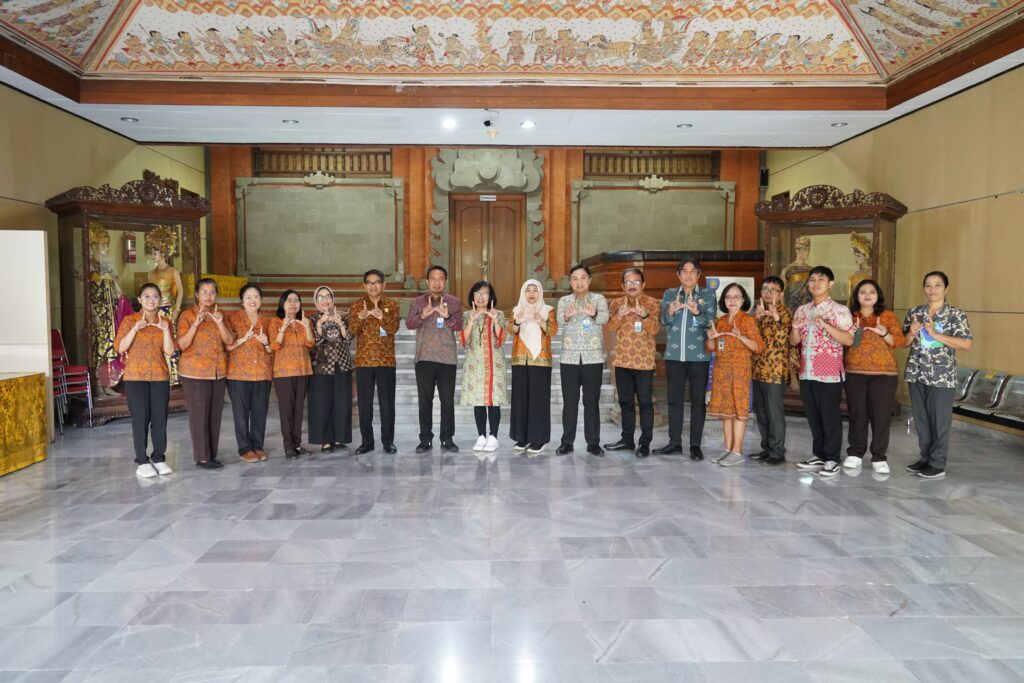
Jimbaran – Udayana University (Unud) continues to strengthen the quality and reliability of its laboratory testing services—supporting education, research, and community service needs—by undergoing the National Accreditation Committee (KAN) ISO/IEC 17025 initial accreditation assessment for the Analytical Laboratory, which operates under the Integrated Laboratory Technical Implementation Unit (UPT). The assessment took place over two days, August 26–27, 2026, as part of the process to meet nationally and internationally recognized laboratory competency standards.
The opening meeting was attended by the Rector of Udayana University, Prof. Ir. I Ketut Sudarsana, S.T., Ph.D., along with Vice Rectors, the Head of the Integrated Laboratory UPT, the Heads of the Analytical Laboratory, the Biotechnology and Bioscience Laboratory, and the Forensic Science and Criminology Laboratory, as well as other relevant officials. Meanwhile, the KAN assessor team consisted of Dr. Ratu Ulfiati, S.Si., M.Eng. (Lead Assessor) and Dea Winiarti, S.Si., M.Biomed.Sc., M.KM., Ph.D. (Assessor Member).
This initial assessment was conducted to evaluate the conformity of the Analytical Laboratory’s management system implementation and technical competence with ISO/IEC 17025 requirements. The evaluation covered aspects such as quality management, human resource competence, testing methods, equipment, the laboratory environment, and the validity and reliability of test results.
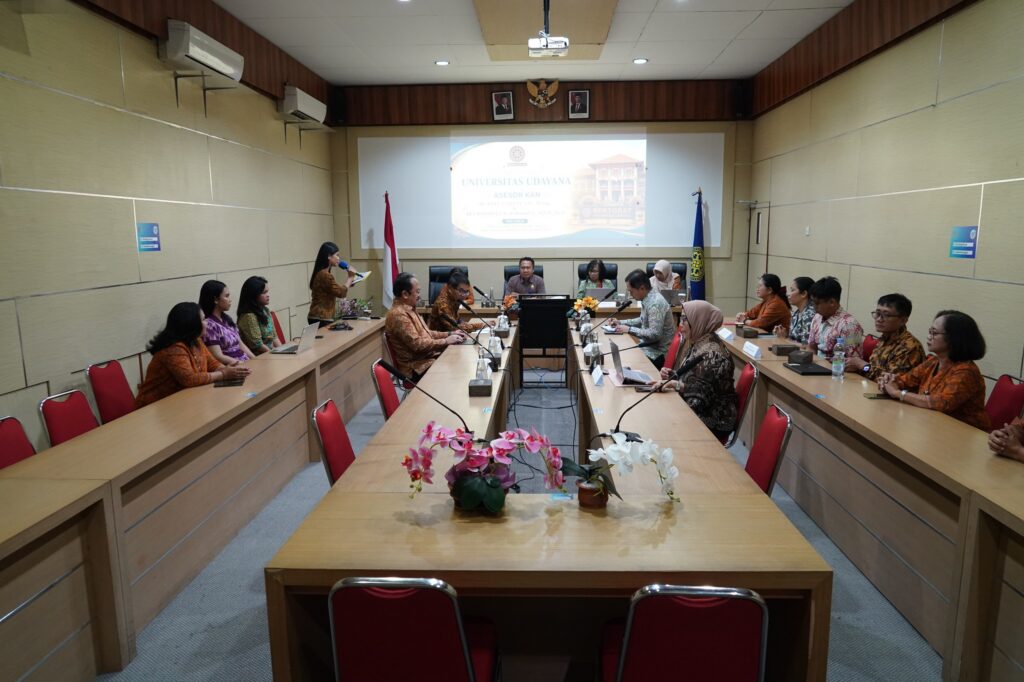
The Head of the Unud Integrated Laboratory UPT, Prof. Dr. Dra. Wiwik Susanah Rita, M.Si., stated that the accreditation process serves as a crucial moment to ensure that the quality of laboratory services is maintained and continuously improved. “This accreditation serves as a pivotal moment for us to demonstrate and enhance the reliability of our service quality. We are committed to consistently implementing ISO/IEC 17025 by strengthening human resource competencies and maintaining a sustainable quality management system,” stated Prof. Wiwik.
She added that the entire laboratory team is committed to supporting the assessment process by openly and transparently providing the necessary data, documents, and information. This process is expected to provide an objective overview of how standards are implemented within the Analytical Laboratory.
The Rector of Udayana University, Prof. Ir. I Ketut Sudarsana, S.T., Ph.D., noted that a laboratory meeting quality standards plays a strategic role in supporting the higher education ecosystem. He emphasized that laboratory quality is not merely about facilities but also the reliability of the data produced.
“Internally, we may feel we are performing well, but external scrutiny is essential. We want to ensure that the testing data issued by the Analytical Laboratory possesses scientific integrity and is fully accountable,” the Rector asserted.
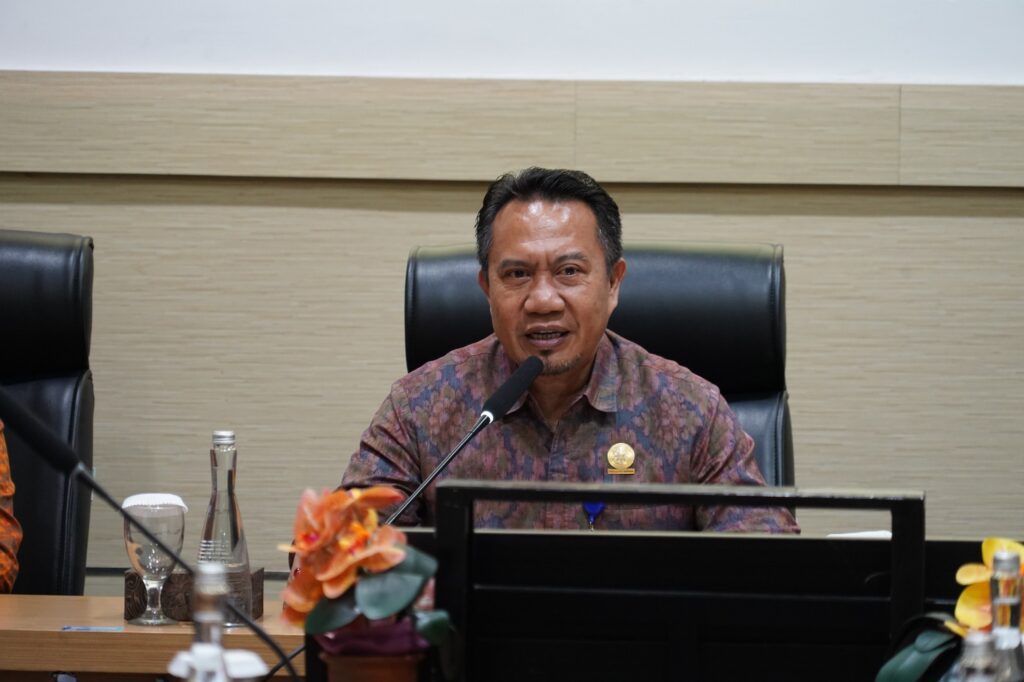
The Rector also emphasized that the high demand for the Analytical Laboratory’s testing services reflects a level of trust that must be upheld through improved standards and laboratory governance. The assessment by KAN (National Accreditation Committee) provides Udayana University with the opportunity to verify that its testing processes and results meet accountable standards.
During the event, KAN Lead Assessor Dr. Ratu Ulfiati, S.Si., M.Eng., provided a briefing on the assessment procedures. She stressed that the assessment process is not intended to find fault, but rather to ensure alignment between actual field implementation and the relevant reference standards.
“Assessors are not here to nitpick for errors, but to evaluate the conformity of field implementation with the reference standards. Any non-conformities identified are simply part of the process of continuous improvement,” explained Dr. Ratu Ulfiati.
She further explained that assessment results might include various categories of findings based on the severity of non-conformity and its impact on testing processes or results. These findings will subsequently serve as a basis for evaluation and follow-up actions, ensuring the laboratory’s systems become increasingly effective.