
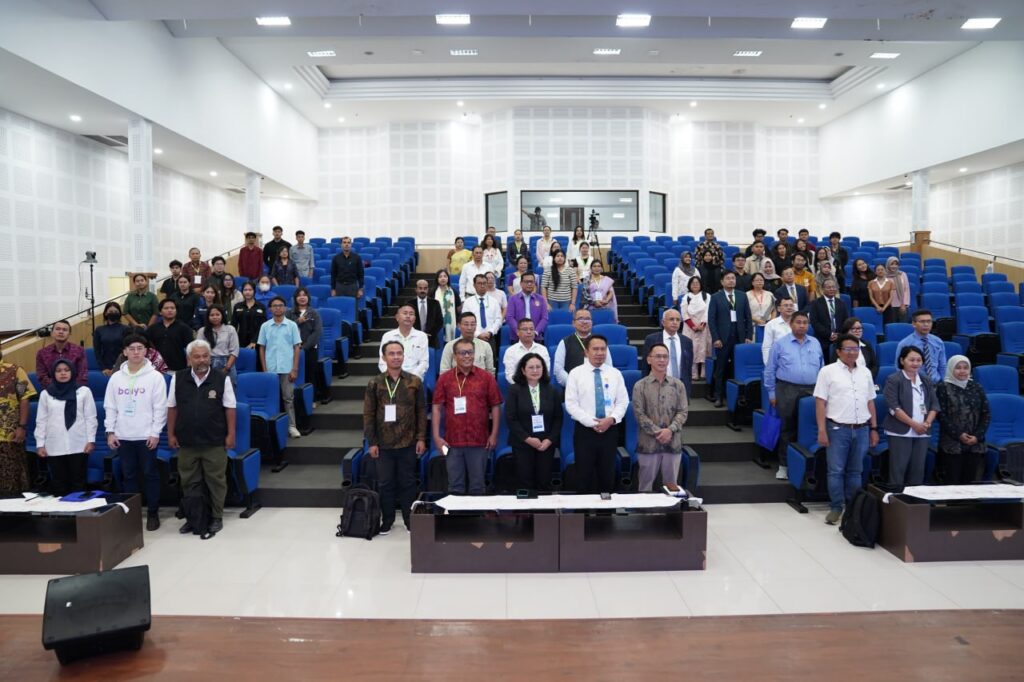
Jimbaran – Udayana University (Unud) is reinforcing its commitment to driving knowledge-based solutions to address climate change challenges by hosting the Global Environment & Transition Summit (GETS) 2026. Centered on the theme “Leading the Green Transition: Strategies for a Climate-Resilient Future,” this international conference is being held in a hybrid format at the Udayana University Lecture Building on Monday (August 24, 2026).
GETS 2026 serves as a collaborative platform for academics, government officials, industry representatives, and stakeholders from various countries, including Indonesia, India, and Japan. The forum aims to strengthen knowledge exchange while fostering research, innovation, and strategies that deliver tangible impacts for society and the environment.
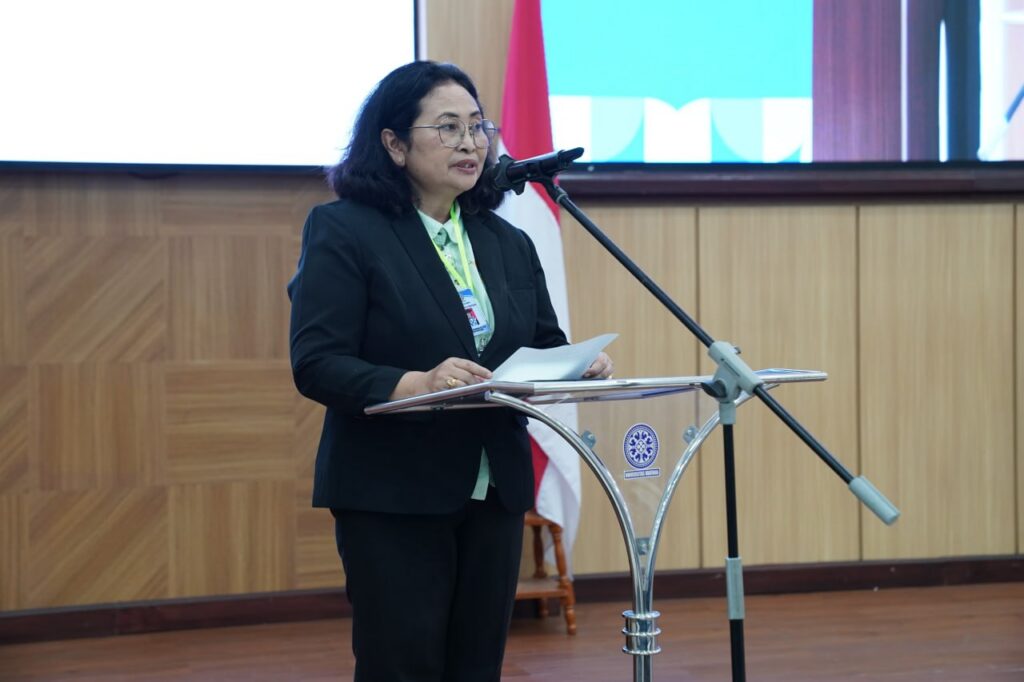
Prof. Dra. Ni Luh Watiniasih, M.Sc., Ph.D., Chair of the GETS 2026 Organizing Committee and Dean of the Faculty of Mathematics and Natural Sciences (FMIPA) at Unud, stated that the transition toward a green and climate-resilient future requires cross-sector synergy.
“The transition to a green and climate-resilient future is not merely an environmental agenda; it encompasses science, technology, education, economics, policy innovation, and social transformation,” she said.
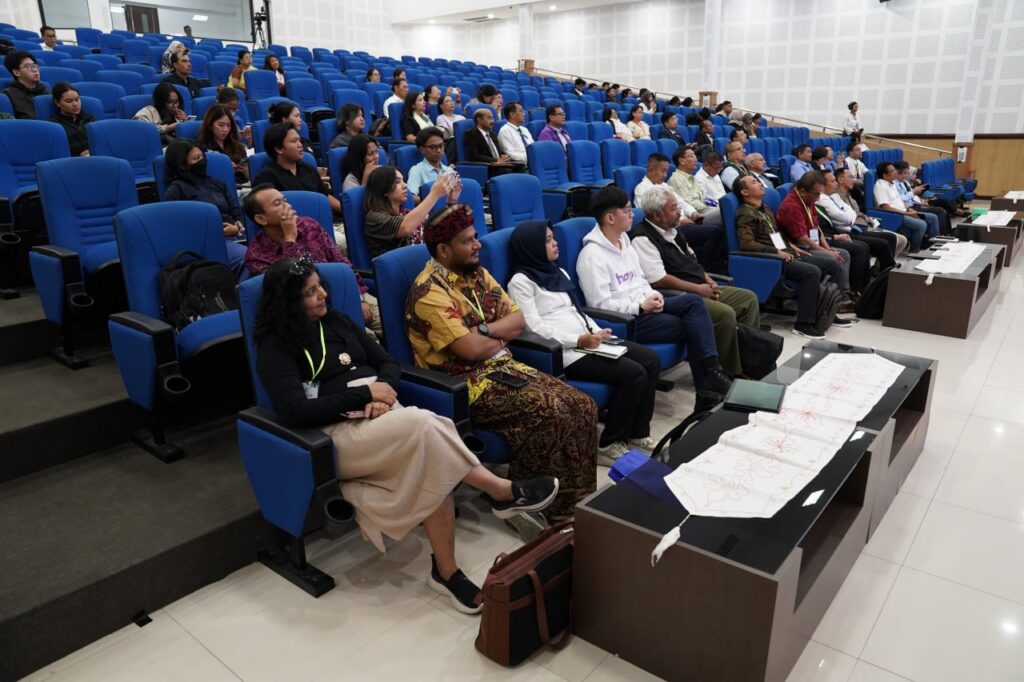
Prof. Watiniasih emphasized that research and innovations generated by universities must be translated into solutions that provide tangible benefits to the community. Therefore, GETS 2026 is expected to mark the beginning of broader collaboration in research, innovation development, and community empowerment.
In his remarks, the Rector of Udayana University, Prof. Ketut Sudarsana, underscored the vital role of universities in addressing global issues through education, research, innovation, and community service.
“Universities play a strategic role as hubs for education, research, innovation, and community service. Through international partnerships, we can produce evidence-based solutions that create a real impact on society,” the Rector stated. The Rector also emphasized that efforts to build a sustainable future require balancing human interests with environmental preservation. This aligns with the *Tri Hita Karana* values—which underpin academic life at Udayana University—emphasizing harmony among humanity, nature, and the Creator.
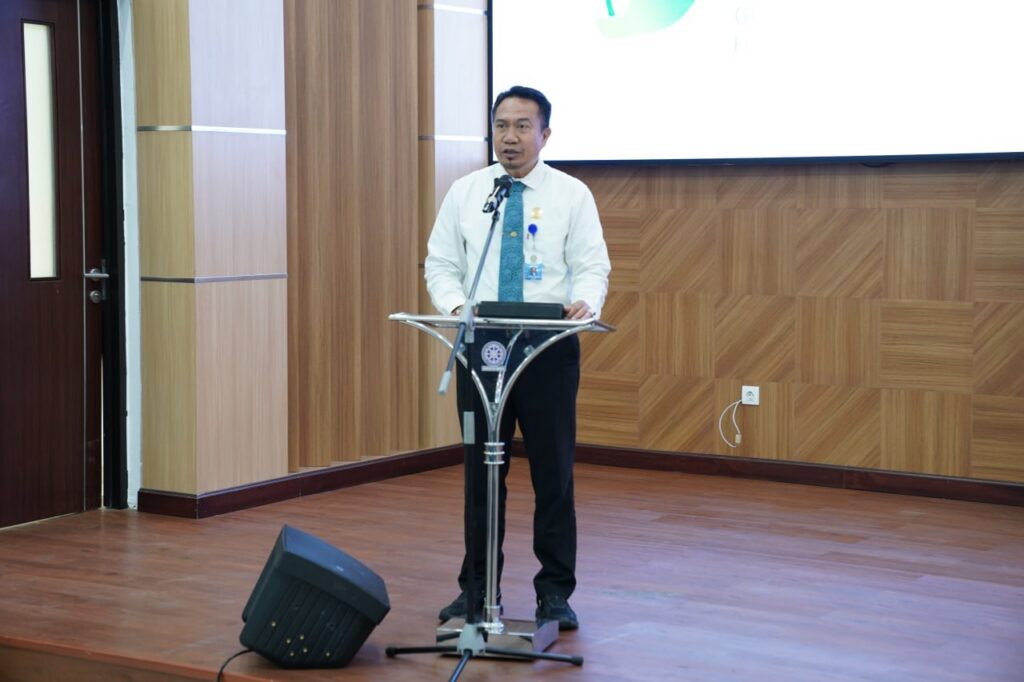
According to the Rector, this perspective is crucial in addressing climate change, biodiversity loss, and the need for a transition to cleaner energy. Higher education institutions are expected not only to generate knowledge but also to drive its application to meet societal needs and ensure environmental sustainability.
The GETS 2026 collaboration has been further strengthened through the involvement of the North Eastern Management Association (NEMA) India. Prof. Wahengbam Chandbabu Singh—Vice Chancellor of Dhanamanjuri University and Director of NEMA India—attended virtually to welcome the collaboration, highlighting the vital role of universities in shaping global citizens who care about global environmental issues.
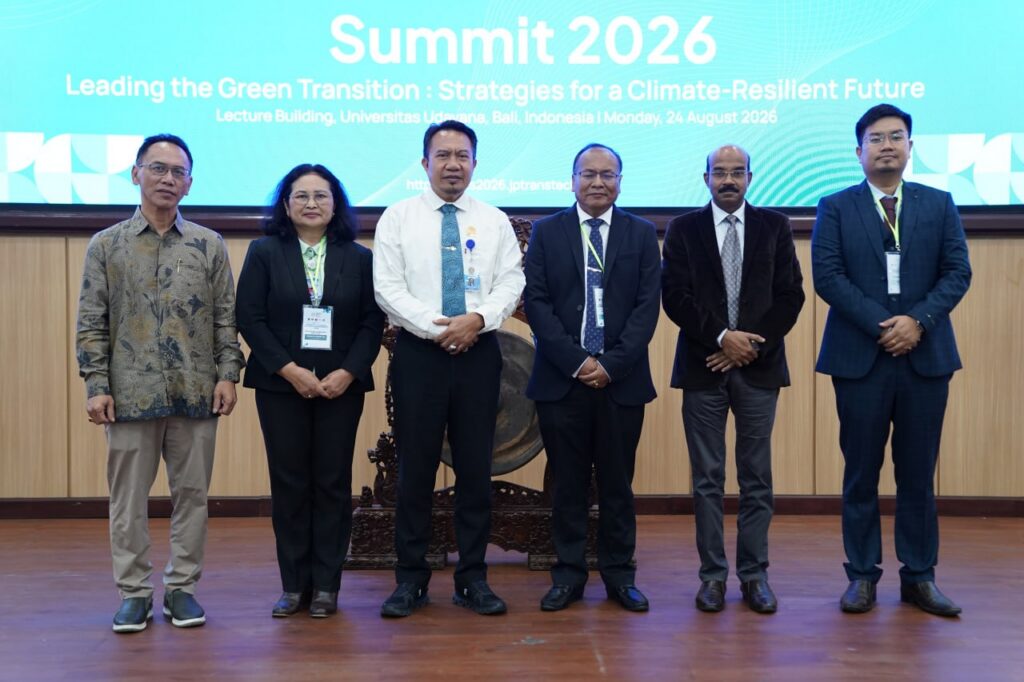
The event was also attended by the Consul General of India in Bali, Dr. Shashank Vikram (representing the Indian Ambassador to Indonesia, Sandeep Chakravorty); Bali Provincial Legislative Council member Dr. Somvir; Udayana University’s Vice Rector for Planning, Cooperation, and Information, Prof. Made Sucipta; and Prof. Dr. Eng. I Made Joni from FINDER at Padjadjaran University.
Through GETS 2026, Udayana University continues to expand its international collaboration networks while encouraging the translation of educational and research outcomes into tangible action. This collaboration is expected to continue through joint research, academic exchanges, innovation development, and community empowerment, all aimed at fostering a more resilient and sustainable future.