
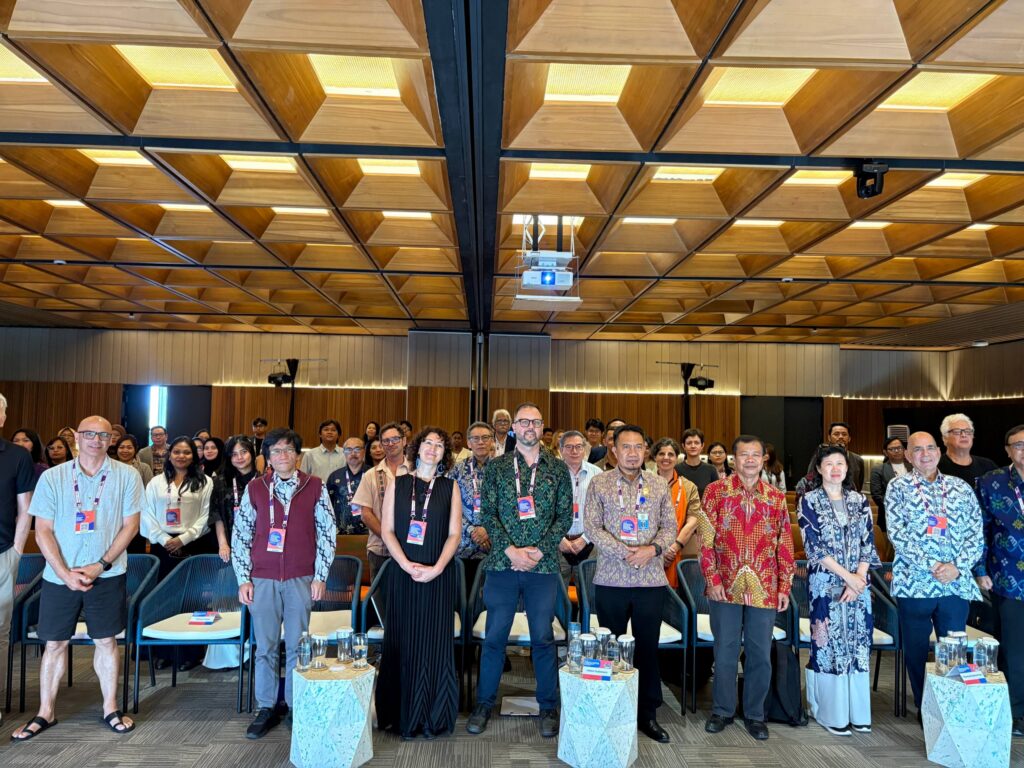
Denpasar – Udayana University (Unud), together with the Tsinghua Southeast Asia Center and the School of Cybernetics at the Australian National University (ANU), strengthened international collaboration by hosting the International Conference on Indigenous Knowledges, Systems, Wisdom & Technology (CIKSWT) 2026 at the United in Diversity (UID) Bali Campus on Friday (September 4, 2026).
Centered on the theme “The Future in Balance: AI, Humanity, and Sustainability,” this second edition of the international conference served as a forum for dialogue among academics, researchers, indigenous knowledge holders, policymakers, practitioners, and technology developers. They gathered to discuss the future of artificial intelligence (AI) grounded in human values, cultural diversity, and environmental sustainability.
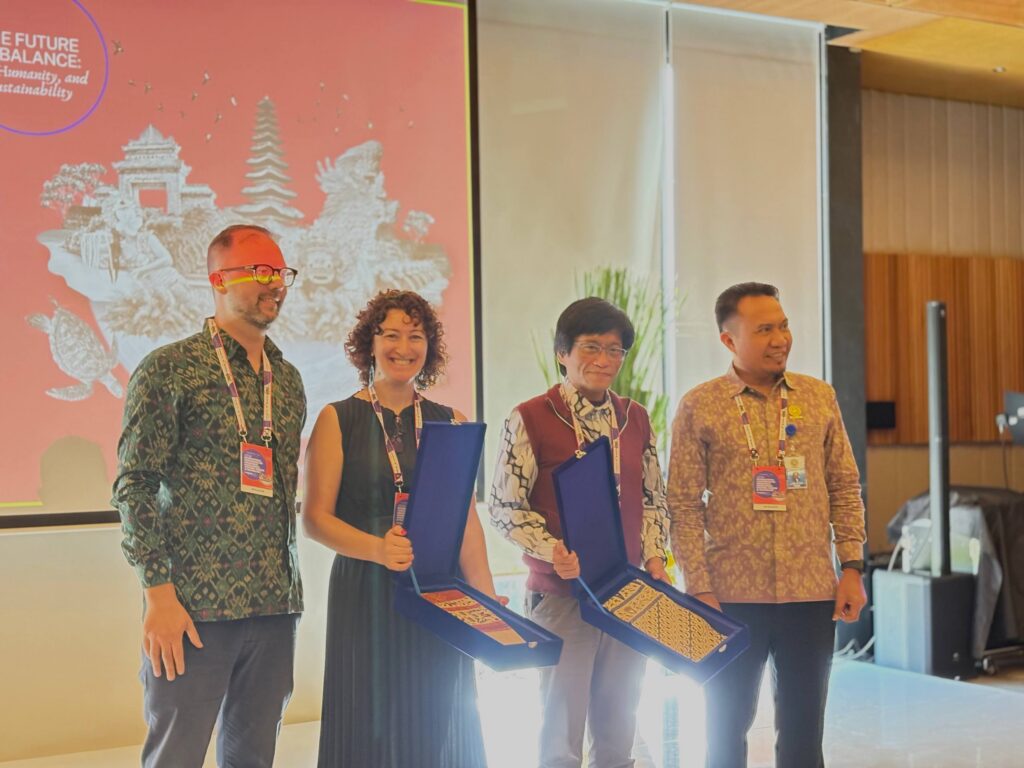
CIKSWT 2026 featured prominent figures from various fields, including Prof. Hokky Situngkir, Founder of the Bandung Fe Institute, and Prof. Angie Abdilla from the ANU School of Cybernetics. The conference also hosted international academics who examined AI from perspectives ranging from technology, ethics, culture, and data governance to its impact on society and the environment.
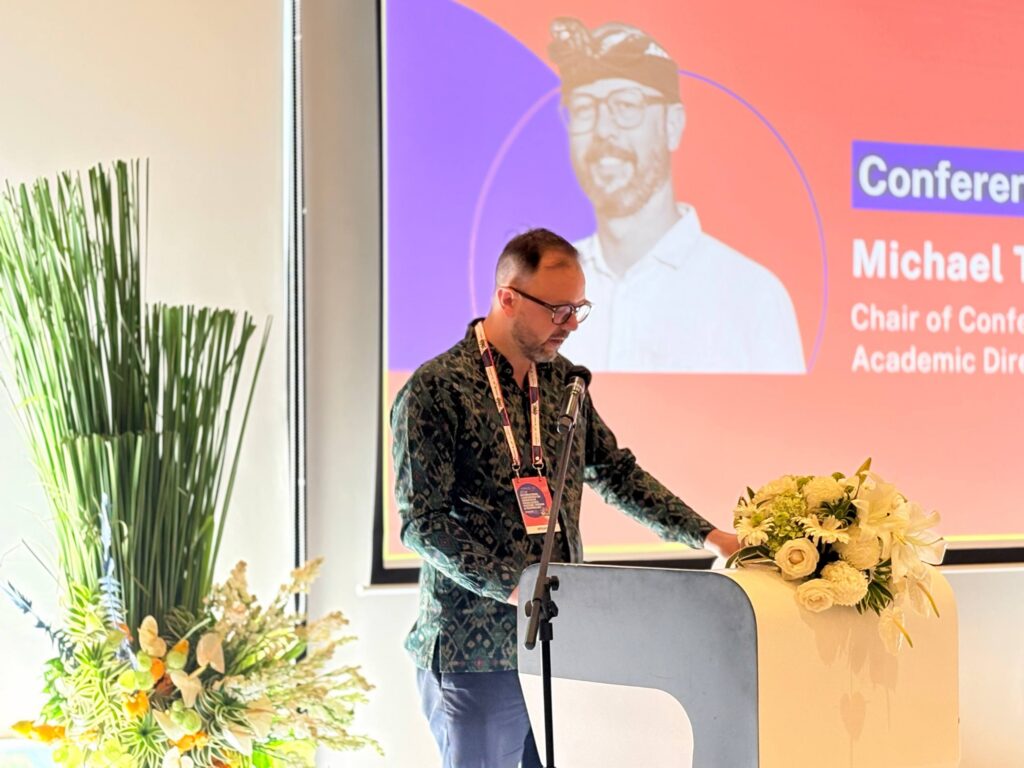
Michael Tuori, Chair of CIKSWT 2026 and Academic Director of the Tsinghua Southeast Asia Center, noted that the advancement of AI presents both significant opportunities and challenges regarding ethics, cultural representation, algorithmic bias, data governance, and the continuity of diverse knowledge systems.
He argued that indigenous wisdom and knowledge systems should not be viewed as being in opposition to technology; rather, the two can reinforce each other in building a more equitable and sustainable future.
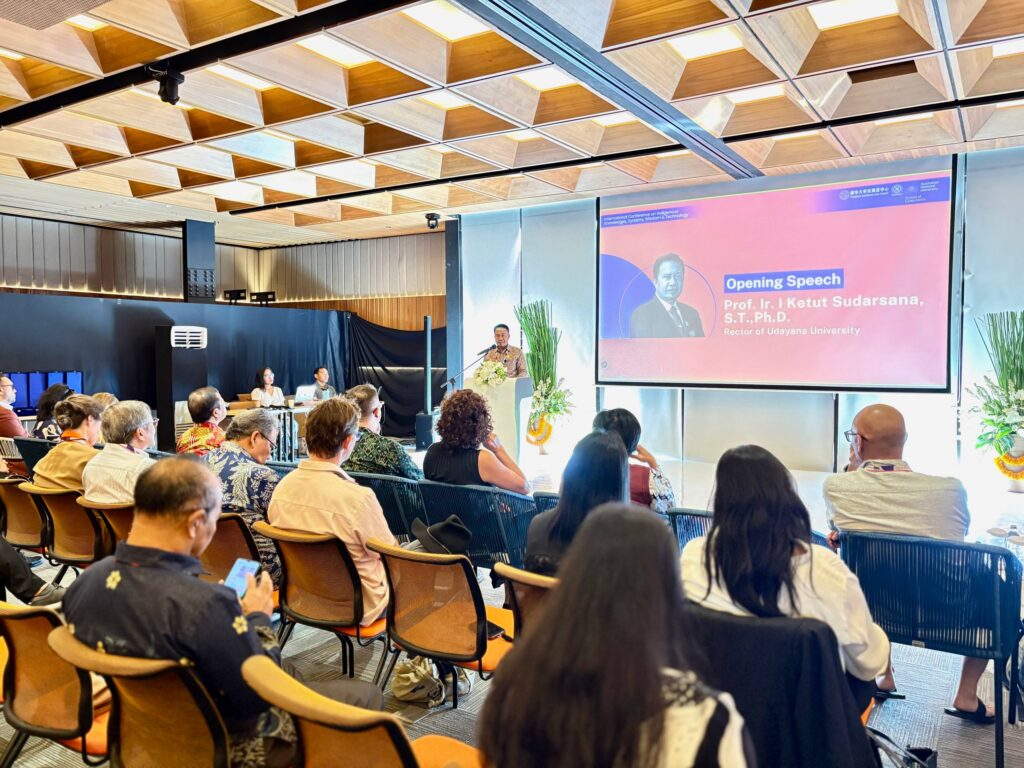
Meanwhile, the Rector of Udayana University, Prof. Ir. I Ketut Sudarsana, S.T., Ph.D., emphasized that AI will play a crucial role in the future of education, research, and the resolution of various global issues. However, he stressed that its application must remain grounded in ethics, responsibility, and human values. “The primary question is no longer whether AI will shape our future—because that is inevitable. The real question is how we ensure that future remains human-centered, culturally inclusive, and environmentally sustainable,” asserted the Rector.
In responding to technological advancements, Udayana University (Unud) is grounded in the *Tri Hita Karana* philosophy, which emphasizes a balanced relationship between humans and God, fellow human beings, and nature. This perspective is highly relevant when considering how technology and AI can be developed responsibly without disregarding cultural values and sustainability.
These values are also reflected in Unud’s efforts to develop technology rooted in local identity and knowledge—such as the project to digitize and preserve ancient *Lontar* manuscripts at the Faculty of Cultural Sciences, which utilizes AI technology.
CIKSWT 2026 addresses a wide range of issues, including AI and ethics, machine learning, epistemic justice, digital sovereignty, data governance, algorithmic bias, language revitalization, and the preservation of cultural heritage and indigenous knowledge systems.
This conference follows the inaugural CIKSWT held in 2025, which focused on the theme “Tri Hita Karana and Sustainability” and brought together 155 participants from various sectors, featuring 44 research papers representing 10 countries.
Through CIKSWT 2026, Udayana University reinforces its role as a global collaborative hub that bridges science, technology, and local wisdom. This collaboration aims to foster research and innovation that is not only driven by technological progress but also capable of providing relevant solutions for society and addressing global challenges.