
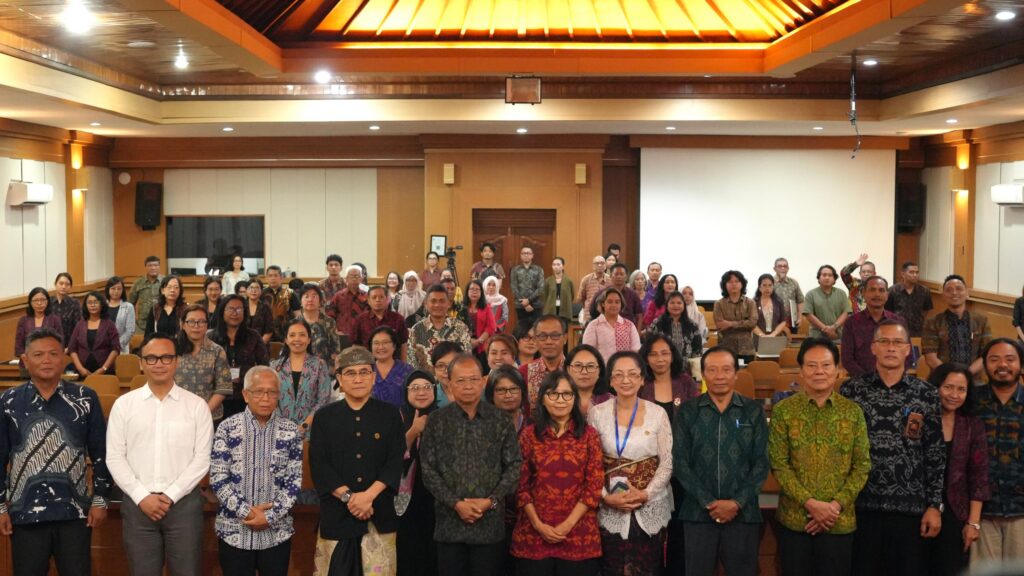
Denpasar – The Architecture Department (comprising the Master’s, Bachelor’s, and Architect Professional programs) of the Faculty of Engineering at Udayana University is hosting the 14th Scientific Meeting of the Indonesian Built Environment Researchers Association (TI IPLBI 14), with the main event taking place from September 3–5, 2026. This year’s theme is “Cultural Intelligence for a Sustainable Built Environment: Artificial Intelligence, Local Context, and Sustainable Development Goals.” The event was opened by the Governor of Bali, Wayan Koster, at the Postgraduate Building Hall, Udayana University Campus, Denpasar, on Friday (September 4, 2026).
The event is supported by Warmadewa University, Ngurah Rai University, the Bali Institute of Design and Business, Dwijendra University, the Indonesian Institute of Architects (IAI) Bali Chapter, the Indonesian Society of Interior Designers (HDII) Bali Chapter, and the Bali Museum. Activities for this year’s scientific meeting include a national seminar, a phenomenology masterclass, an AI masterclass, a visual note-taking workshop, a photography competition, an exhibition of works, and book publications, concluding with an architectural field trip. The architectural tour includes visits to Taman Ayun Temple—a national cultural heritage site—as well as Puri Ageng Mengwi and Puri Agung Kerambitan in Tabanan. The 2026 TI IPLBI 14 offers a distinct atmosphere compared to previous years.
Advancements in Artificial Intelligence (AI) have opened up new possibilities across the entire lifecycle of the built environment—from planning, design, and construction to management and evaluation. However, these developments also raise critical questions regarding how technology can be utilized without overlooking human elements, culture, the identity of a place, and local character. In this context, cultural intelligence is viewed as a vital capacity for understanding cultural differences, fostering cross-cultural communication, and translating cultural values and knowledge into the process of built environment development. On the other hand, the use of AI in architecture and the built environment presents new challenges. There is a risk that a reliance on technology overly focused on efficiency and standardization could diminish sensitivity toward local context, identity, traditional knowledge, and community needs. Consequently, the challenge ahead lies not merely in how humans utilize AI, but in how human intelligence, cultural intelligence, and artificial intelligence can collaborate to create built environments that are both meaningful and responsible.
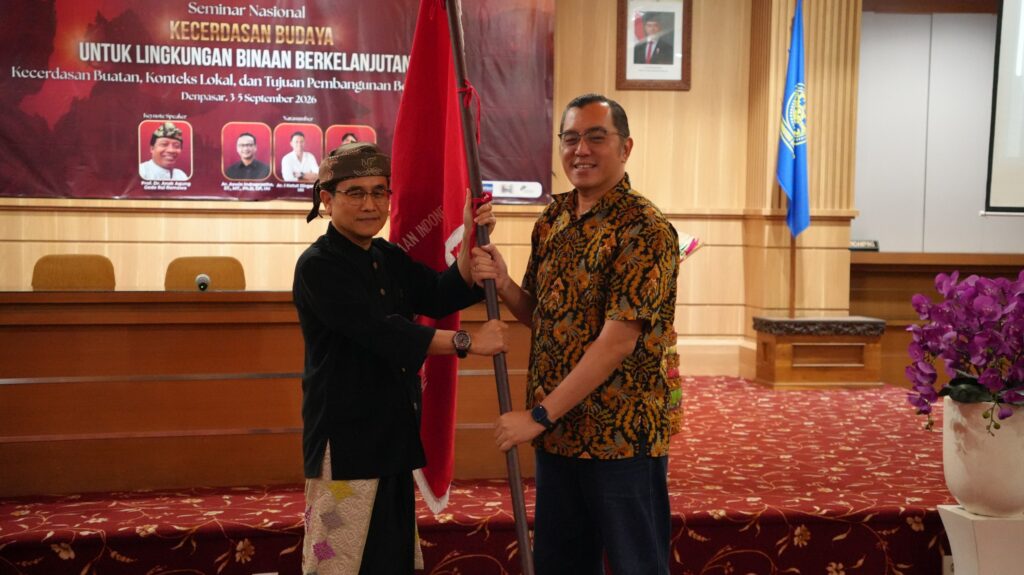
This issue is particularly relevant to the achievement of the Sustainable Development Goals (SDGs). Given Indonesia’s immense cultural diversity and distinct local characteristics, integrating cultural intelligence, artificial intelligence, local context, and sustainable development has become a crucial agenda for architects, planners, academics, researchers, government officials, practitioners, and the public alike. This necessitates an academic platform to discuss how technological advancements can coexist with local knowledge and cultural values, while simultaneously fostering innovations that address the challenges of sustainable development.
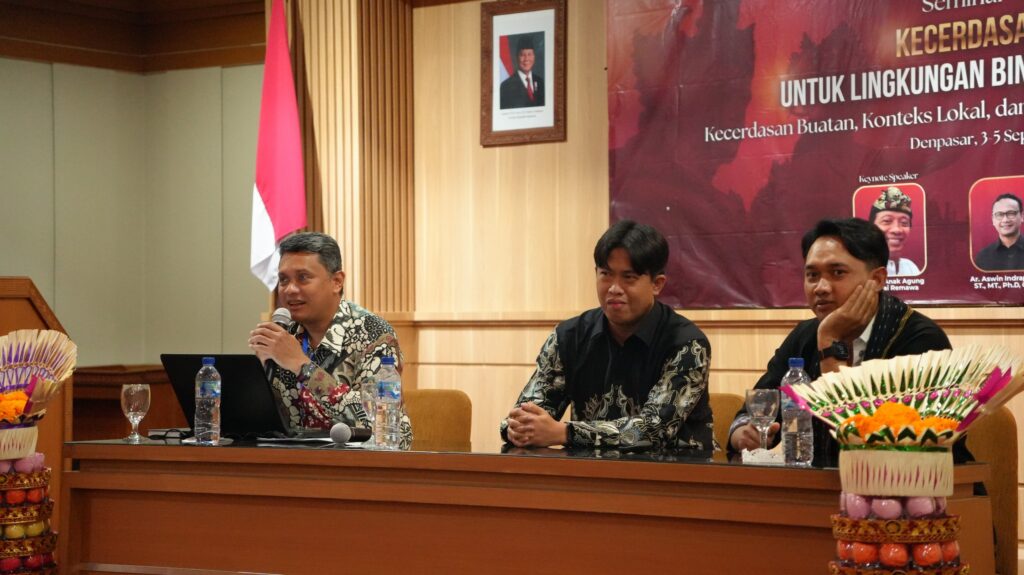
Against this backdrop, the TI IPLBI 14 event serves as a forum to bring together diverse perspectives, ideas, research findings, and practices concerning the future of the built environment. It offers a space for dialogue to foster the understanding that technological innovation and sustainability need not conflict with local context and culture; rather, they can be developed collaboratively and contextually, in a mutually complementary manner.
This scientific gathering serves not only as a venue for presenting research findings and creative works but also as a space for shared learning—strengthening academic traditions through the exchange of ideas, critical reflection, and the development of participants’ capabilities.