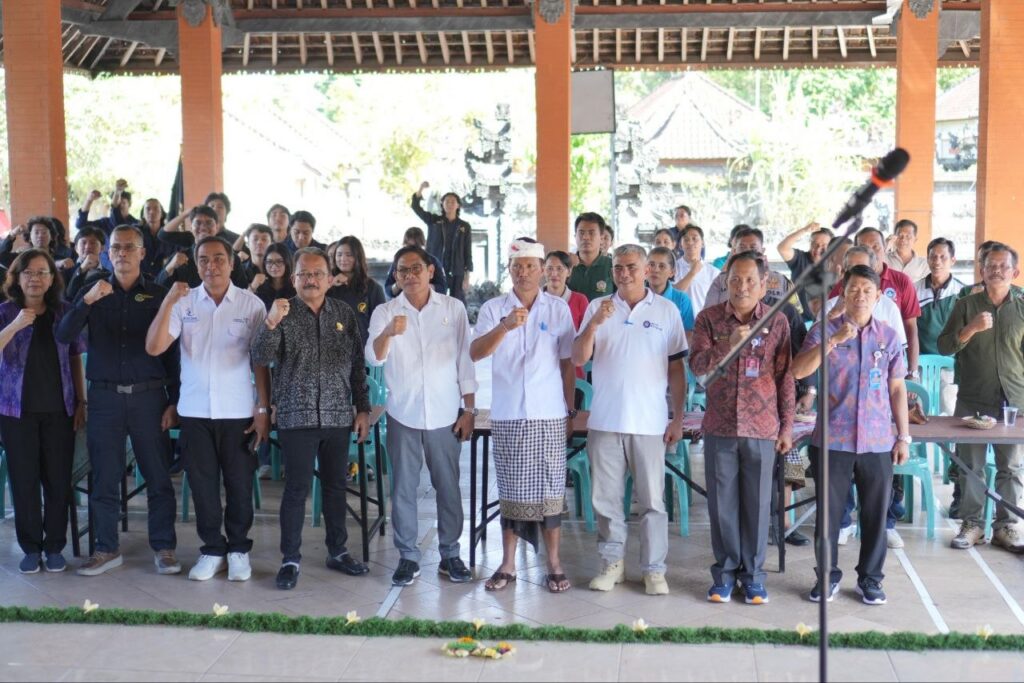
Klungkung – The 2026 Environmental Engineering Student Association PPK Implementation Team for the 2026 Environmental Engineering Student Association (HTML) was officially welcomed at the Aan Village Traditional Hall, Banjarangkan District, Klungkung Regency, on Friday (June 19, 2026). The event was attended by the Vice Rector for Student Affairs of Udayana University, the Vice Dean III of the Faculty of Engineering, Study Program Coordinators, Supervising and Mentoring Lecturers, the Village Head of Aan Village, representatives from relevant agencies, Babinsa (village supervisors), village officials, the Student Organization PPK Team, and other invited guests.
Vice Rector for Student Affairs, Udayana University, Prof. On the occasion, Gusti Ngurah Alit Susanta Wirya expressed his appreciation to the Student Organization Development Team (PPK Ormawa) of the Environmental Engineering Student Association (HMTL) for their success in securing national-level PPK Ormawa funding in 2026. This is a truly proud achievement and a testament to the competitiveness of Udayana University students on the national stage.
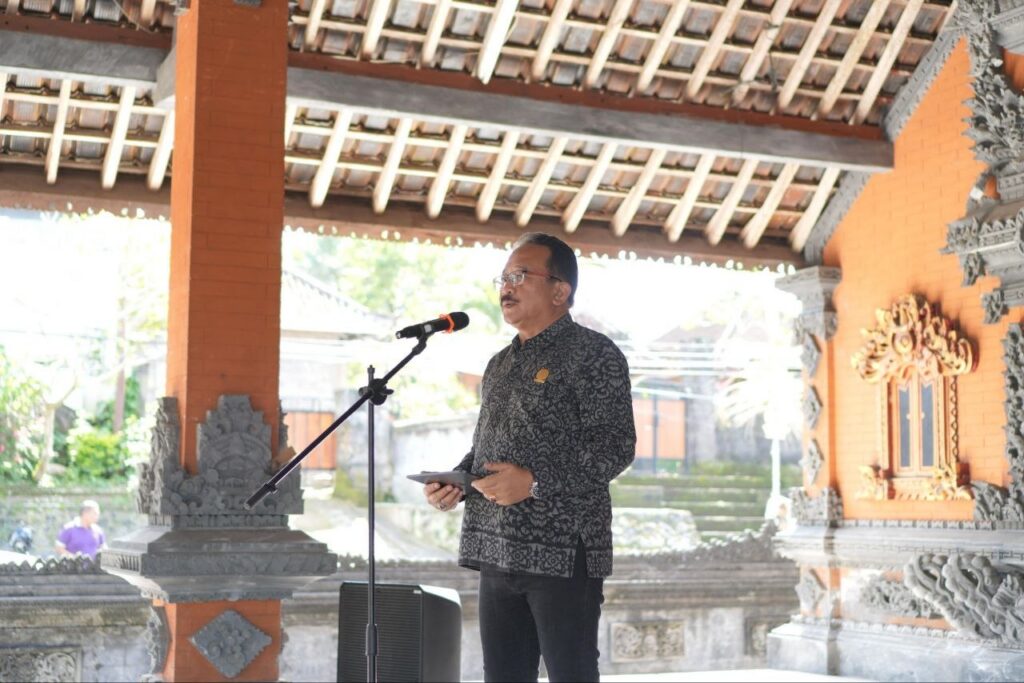
The Student Organization Capacity Strengthening Program (PPK Ormawa) provides a concrete platform for students to put their knowledge into practice. As Environmental Engineering students, you have a significant moral responsibility to address today’s crucial issues, such as ecological sustainability, waste management, and clean water supply.
“Through today’s official acceptance, you are no longer merely studying theory in the laboratory or classroom, but are now taking action to solve real problems in your partner communities,” said the Vice Rector in his remarks.
He further explained that this demonstrates the achievement of the university’s Key Performance Indicators (KPIs) and the true essence of an Impactful Campus. As the program’s implementation phase unfolds, the Vice Rector emphasized several important messages to all team members. First, maintaining the integrity and good name of the alma mater by always prioritizing ethics, courtesy, and respect for local wisdom in every interaction with the community. Second, providing sustainable solutions through the development of systems or technology that can be independently managed by the community so that the program’s benefits can be felt in the long term. Third, strengthening collaboration and synergy, both within the team and with supervising lecturers, community leaders, and all stakeholders involved.
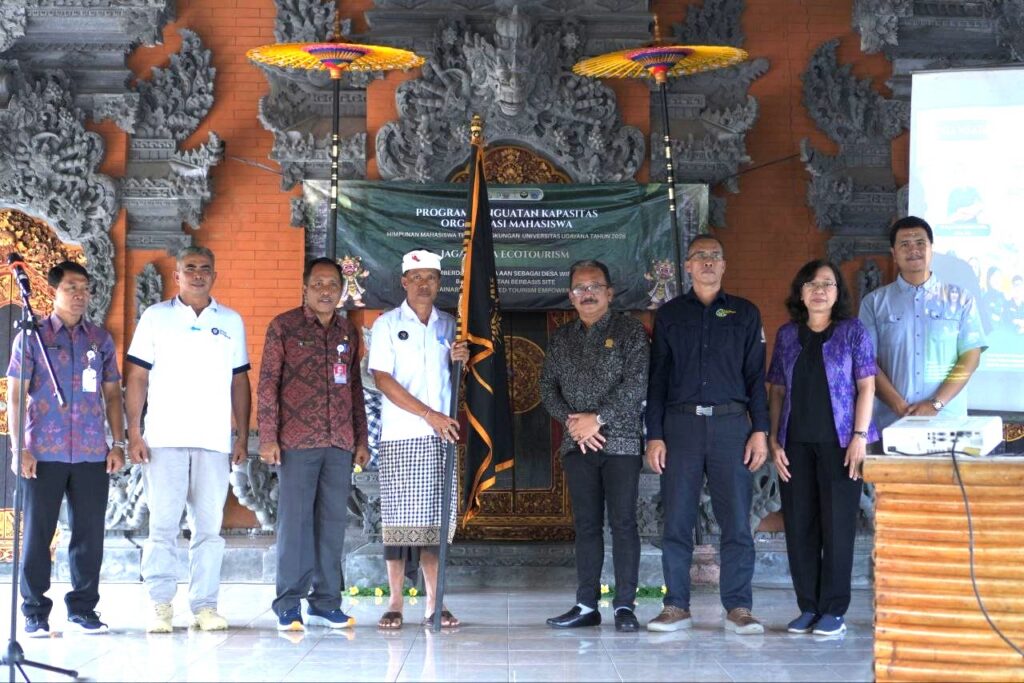
“We at the Rectorate are committed to continuously overseeing, facilitating, and fully supporting your journey through monitoring, evaluation, and even towards the upcoming Abdidaya event,” he added.
Through this program, students are expected to demonstrate real contributions in creating innovative, sustainable environmental solutions that directly impact the community. This activity demonstrates that Environmental Engineering students not only excel academically but also are capable of becoming agents of change, bringing a green impact to the nation’s progress.