
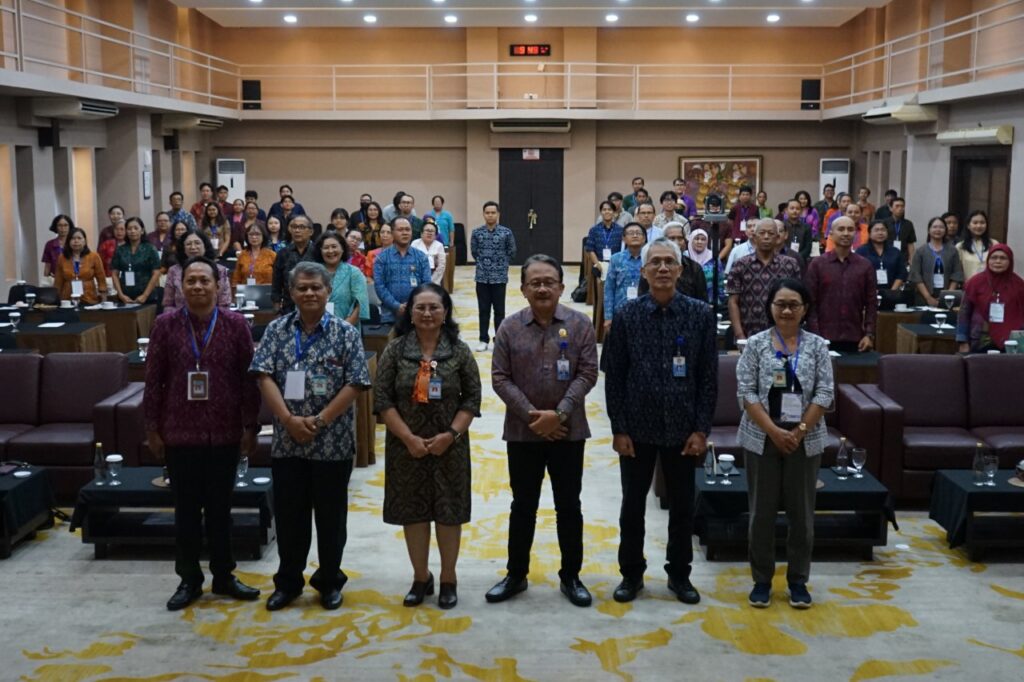
The Faculty of Mathematics and Natural Sciences (FMIPA) at Udayana University is hosting the 5th Science and Technology International Conference (STIC) 2026 on November 17–18, 2026, at the Grand Santhi Hotel, Denpasar, Bali. Held in a hybrid format, this international conference carries the theme, “Advancing Sustainable Development Goals through Science and Technology: Innovations for Health, Environment, and a Sustainable Future.”
The event serves as a platform for academics, researchers, and practitioners to exchange knowledge, present research findings, and expand collaborative networks in the development of science and technology that contribute to the achievement of the Sustainable Development Goals (SDGs).
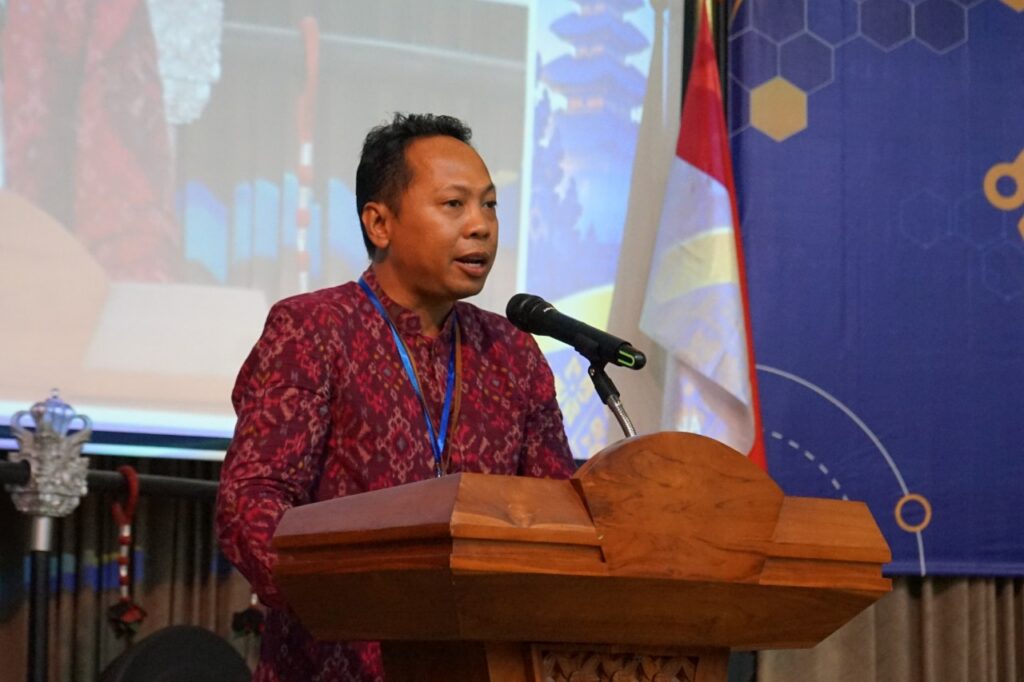
The Chair of the STIC 2026 Organizing Committee, Dr. apt. Putu Oka Samirana, S.Farm., M.Sc., stated that this year’s conference received 95 abstract submissions, with a total of 108 registered participants. Attendees include representatives from Udayana University as well as several other higher education institutions, such as Gadjah Mada University, Sam Ratulangi University, and Mahasaraswati University. He expressed his hope that STIC 2026 would encourage the exchange of knowledge, research collaboration, and the emergence of innovations that provide tangible benefits to society.
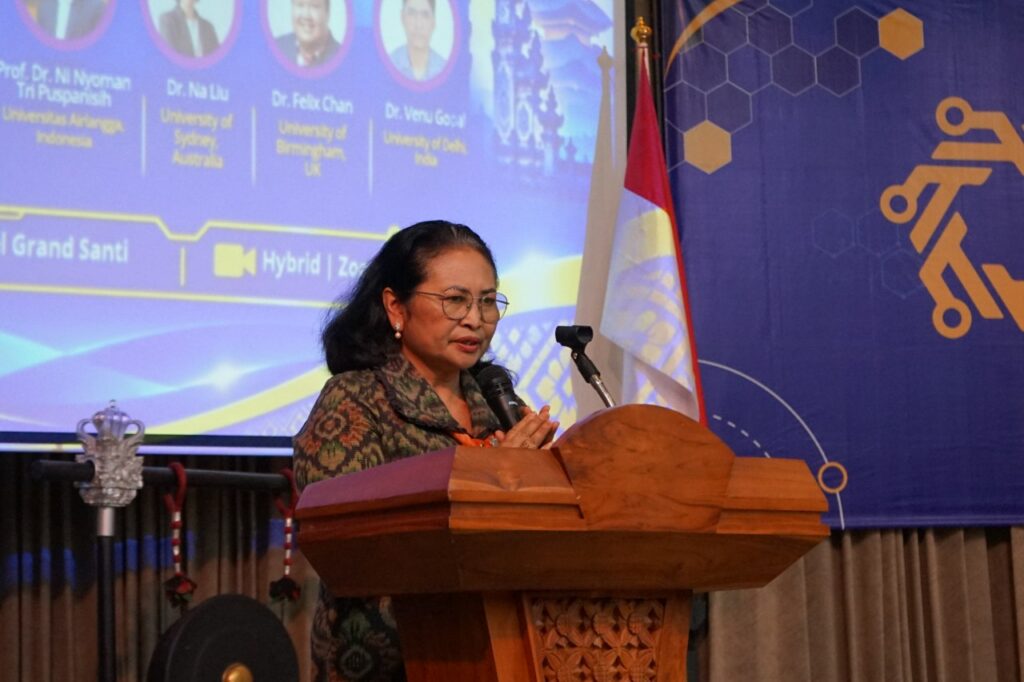
The Dean of FMIPA at Udayana University, Prof. Dr. Dra. Ni Luh Watiniasih, M.Sc., Ph.D., noted that science and technology currently face increasingly complex global challenges—ranging from climate change, environmental degradation, and health issues to the responsible use of technology. According to her, these challenges require an interdisciplinary approach and sustained collaboration among researchers and institutions across national borders. Through STIC 2026, FMIPA Unud aims to provide a space for researchers to share their findings, exchange perspectives, build professional networks, and explore future collaborative opportunities. “We hope that the discussions during this conference will not only lead to an exchange of ideas and research findings but also strengthen academic partnerships and foster sustainable, collaborative research,” he asserted.
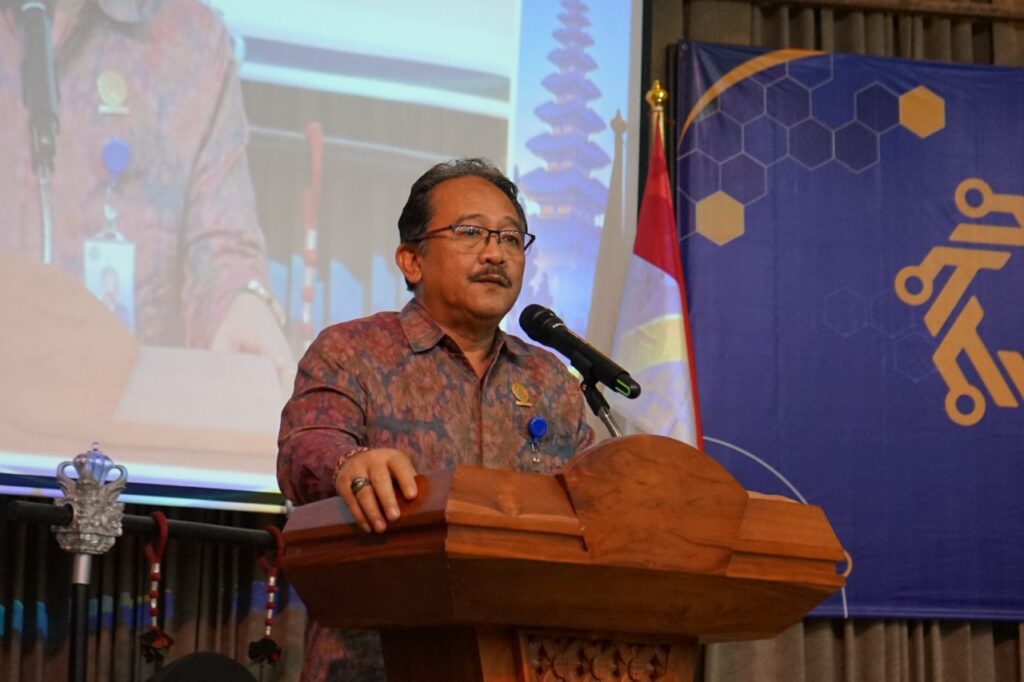
Meanwhile, the Vice Rector for Research, Innovation, and Commercialization at Udayana University, Prof. Dr. Gusti Ngurah Alit Susanta Wirya, S.P., M.Agr., emphasized that advancements in science and technology play a fundamental role in addressing various human challenges—ranging from improving public health and protecting natural resources to developing new technologies. He noted that scientific excellence is measured not merely by the discoveries produced, but also by the capacity to leverage knowledge to meet the needs of society. Consequently, the development of science and technology must be directed toward sustainable, inclusive, and resilient progress.
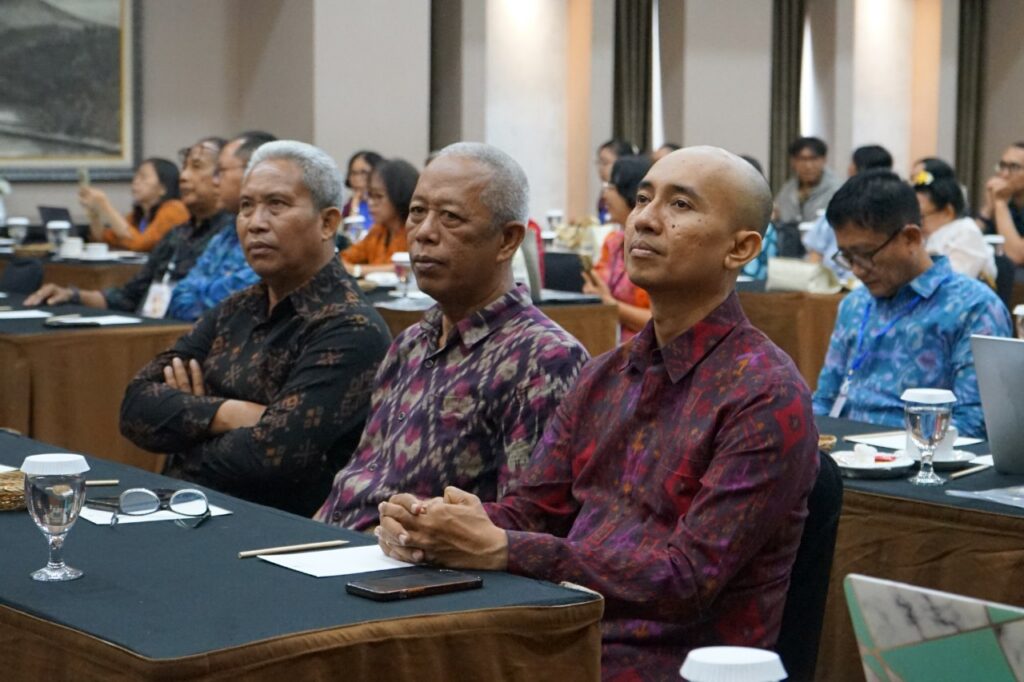
“Udayana University is committed to enhancing the quality of its research, expanding international academic collaborations, and ensuring that scientific advancements provide tangible benefits to society. This commitment has become even more significant now that Udayana University has attained the status of a State University with Legal Entity (PTN-BH) autonomy,” he added.
Through the hosting of STIC 2026, Udayana University aims to cultivate productive scientific discourse, generate innovative research, and establish enduring partnerships among scientists, higher education institutions, and research organizations in support of sustainable development.